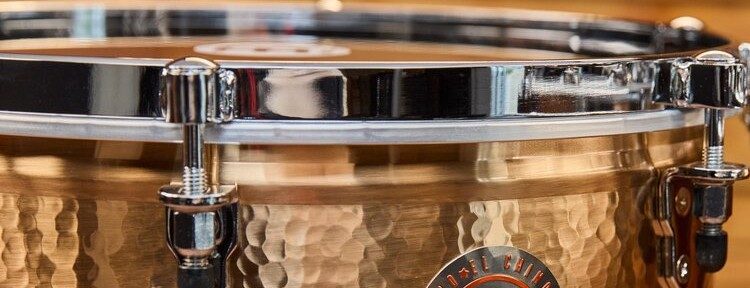
I really wanted to learn these things (the timbales) … I just kind of fell in love with the sound.”
The Drum Calls: Los Timbales
The story of Sammy and the drums unfolded in a musical world in expansion. His father was rooted in the musical culture he had brought from Puerto Rico, while Sammy and his siblings were growing up in Lorain, hearing that music at home, while encountering new sounds through the radio, their community, and the streets.
Listening to the Radio
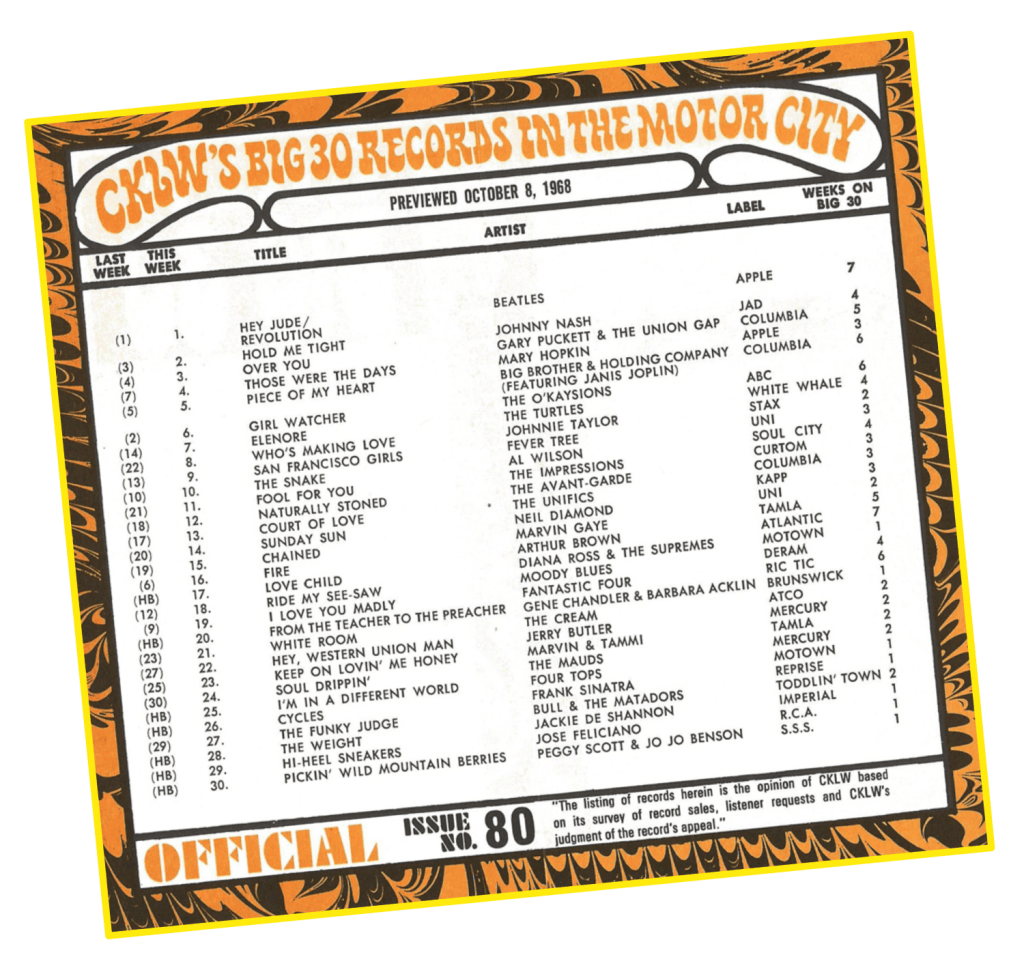
Sammy vividly recalls listening to what he calls “English” music—his term for American popular music—beginning when he was about six or seven years old. He could hear the sounds of Detroit on the radio, including Motown, soul, and rhythm and blues. He remembers artists such as the Jackson 5 and Diana Ross, but the radio also brought him the broader range of American popular music circulating at the time.
As he grew older, Sammy continued to listen widely. He remembers disco, the Rolling Stones, and the Bee Gees, alongside Latin music that was itself drawing on new influences. He listened to Latin boogaloo artists Joe Cuba and Pete Rodríguez, as well as Puerto Rican musicians such as Cortijo y su Combo who also incorporated boogaloo into their music.
These musical currents did not exist in separate compartments. The boogaloo he heard, for example, had emerged from interactions between African American and Latin musical traditions in New York. Sammy was absorbing this wide range of music as he developed his own musical sensibility—listening, experimenting, and eventually finding his way into the music through the drums.
And then came the drums…
Sammy recalls the moment he and his brothers heard the drums with these words: “when a drum calls you… a drum calls you … in a split second.” His father wanted them to play baseball, but the boys were drawn to percussion instead. He remembers that the timbales, in particular, caught his attention when he was still a little kid.
Los Timbales: A Traveling Instrument
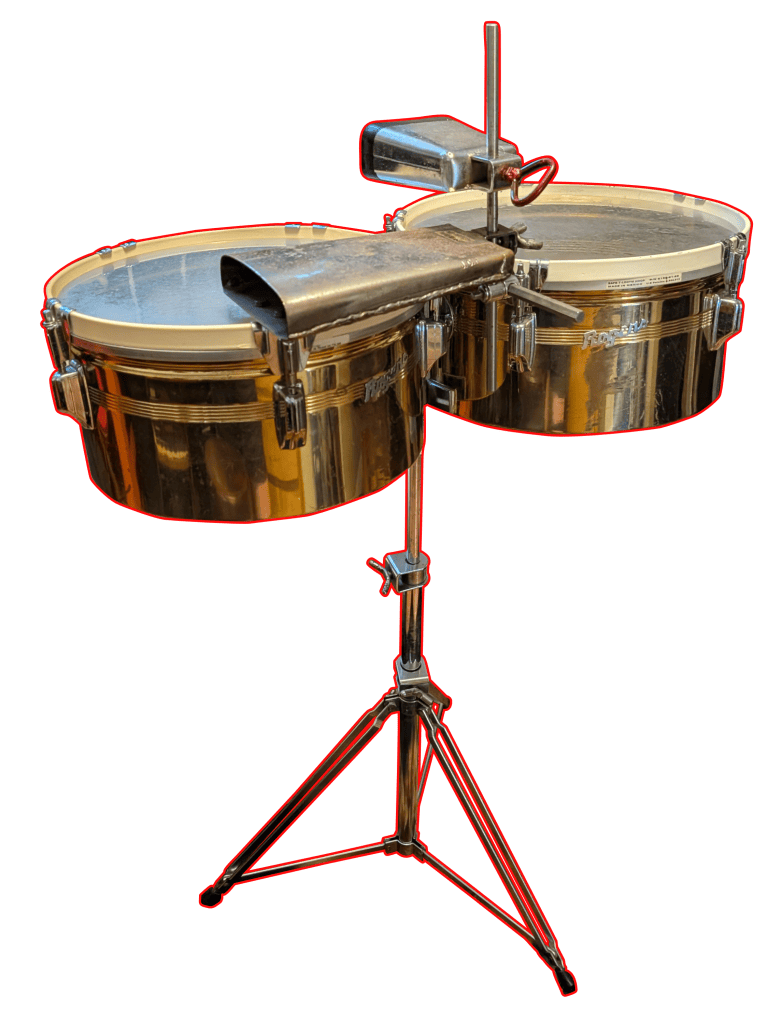
The timbales that Sammy fell in love with in Lorain had a history that reached far beyond Ohio. The instrument developed in Cuba from earlier European timpani that had entered Cuban musical life during the nineteenth century. Cuban musicians transformed these drums into a smaller, more portable instrument that became central to charanga orchestras and other Cuban dance music ensembles.
As Cuban music traveled beyond the island, so did the timbales. By the 1940s, alongside congas and bongós, timbales had become important instruments in Afro-Cuban and Latin dance music in the United States, particularly in New York. Their configuration also evolved, incorporating accessories such as a mounted cowbell and side cymbals. Puerto Rican musicians and communities became part of these expanding musical networks, bringing Cuban-derived rhythms and instruments into new settings, including the Puerto Rican “colonies” established in Northeast Ohio during the mid-twentieth century.
Learning the Timbales
Being drawn to the drums was only the beginning. Next, the DeLeon brothers had to dedicate themselves to the extensive work of learning how to play them.
His older brother Robert was the first of the brothers to play timbales, while Mikey played bongós. When Robert moved on to play other instruments, Sammy picked up the timbales and began practicing every day. At the time, learning meant listening to cassette-tape recordings through headphones and trying to reproduce what he heard.
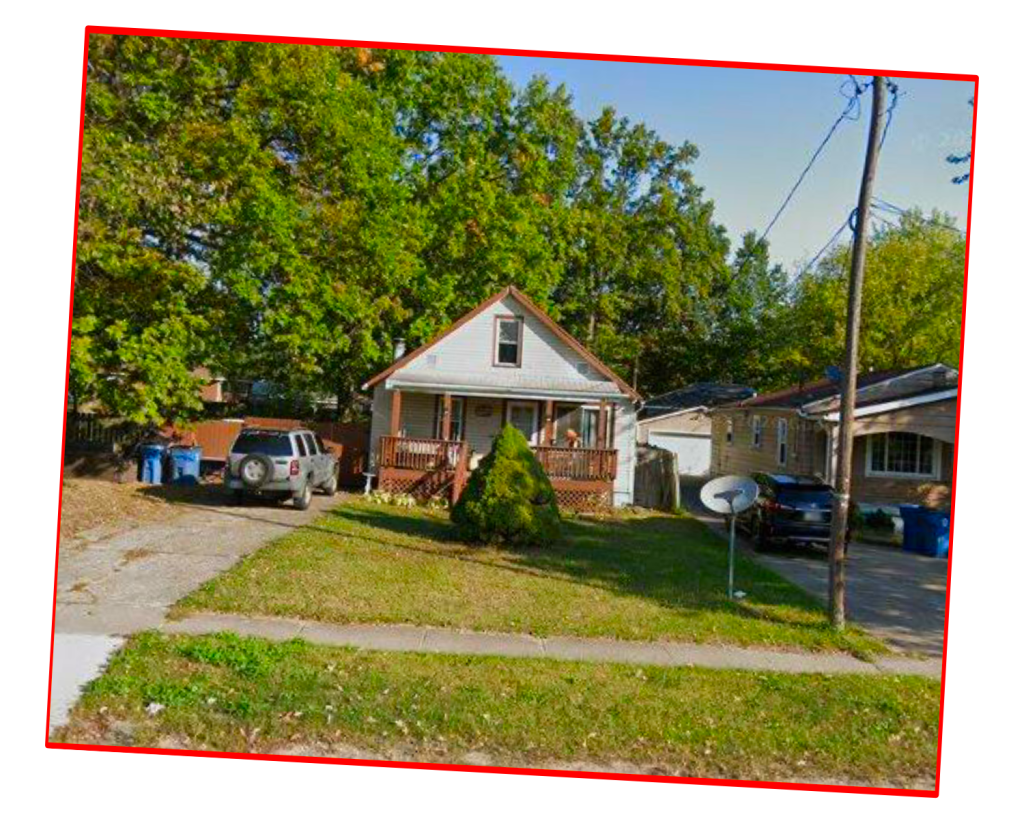
Sammy practiced daily in the basement of their family home on E. 36th Street in Lorain. He remembers playing the timbales along with the recordings while his father complained about the noise and his mother defended him: “Leave that boy alone. He’s not looking for problems. He wants to learn these drums.”
In time, Sammy developed his own way of working out rhythms. When he encountered a rhythm he did not yet know, he would sing it first, using his own voice to figure out the pattern before transferring it to the drums. In fact, to this day, Sammy learns every part of every song, including the parts played by each instrument in his band, by listening and singing, since he does not read music.
The Drums in the Streets
Once Sammy and his brothers “gravitated to the drums,” as he puts it, they played timbales, congas, and bongós in Puerto Rican festivals and parades in Lorain and even in Cleveland. He recalls all the fun they had rumbeando (joyfully improvising on percussion) in the back of trucks for la gente who attended these cheerful community events.
The School Band Corps
Percussion also entered Sammy’s musical life through school. He briefly joined the marching band at Admiral King High School, where he carried a four-drum set known as a quad.
It did not last. The drums were heavy, and as Sammy recalls, he was “very skinny as a young kid.” He had no interest in marching outside in the freezing cold of Lorain’s winters during football games carrying four drums. He quit the marching band—but he did not quit playing drums. In his own words, “It didn’t stop me from playing drums because then I went on to make money.”
Sammy Enters a Musical World in Motion
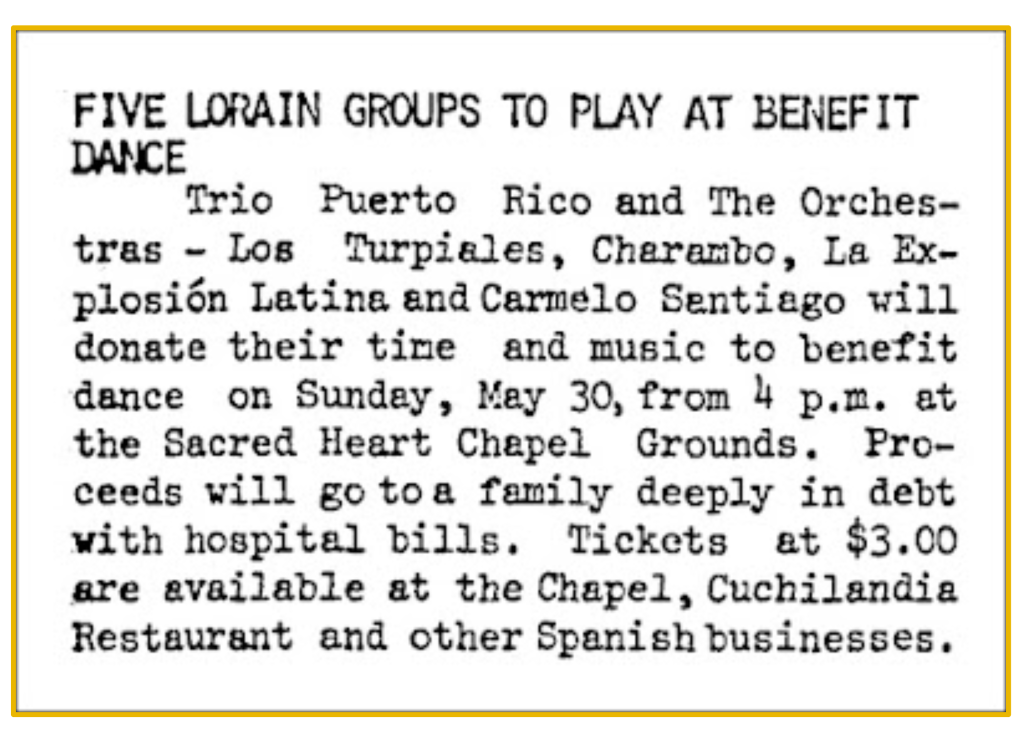
Source: Lorain Journal, 1976. Reproduced from Dan Brady, “Notes on My Time in a Lorain Salsa Band in the 1970s,” Brady’s Bunch of Lorain County Nostalgia, February 13, 2024.
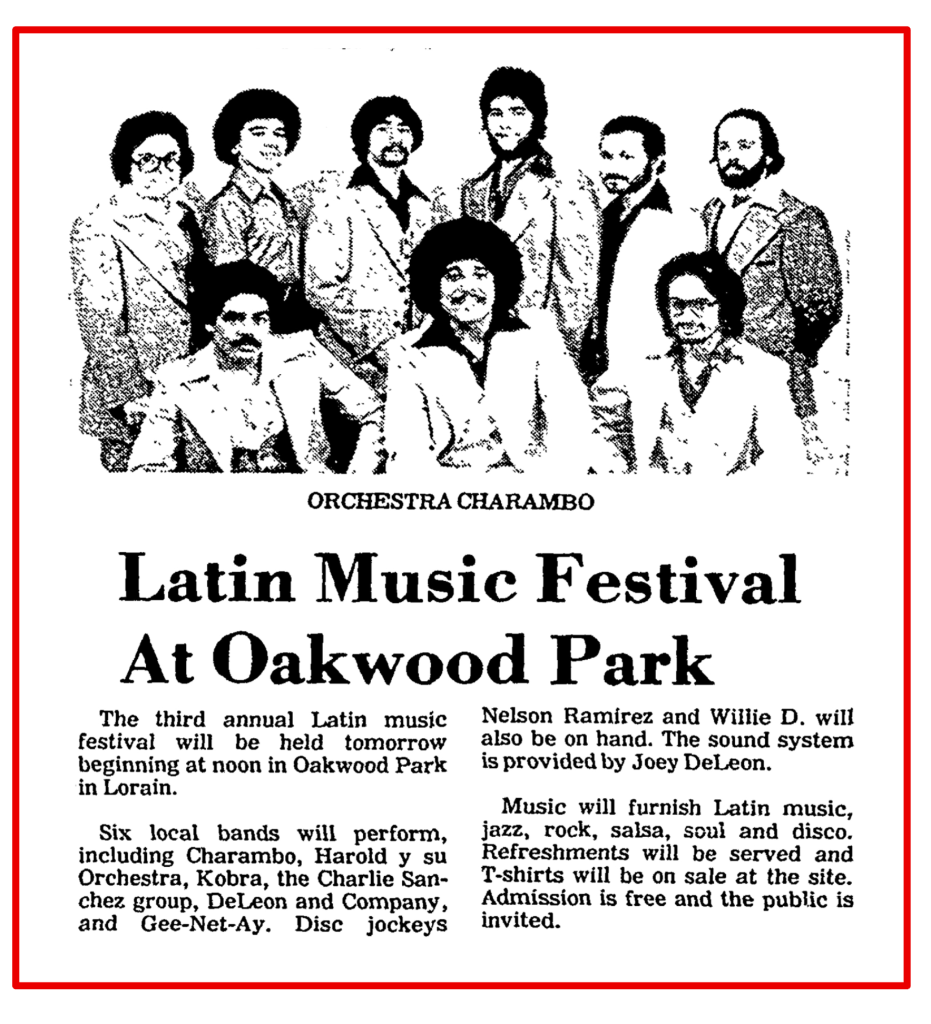
Source: Lorain Journal, July 28, 1978. Reproduced from Dan Brady, “Notes on My Time in a Lorain Salsa Band in the 1970s,” Brady’s Bunch of Lorain County Nostalgia, February 13, 2024.
Together, these advertisements offer a glimpse of the active Latin music scene in Lorain during the 1970s. The 1978 festival brought together local bands and a wide range of musical styles, including Latin music, jazz, rock, salsa, soul, and disco.
By his early teens, Sammy was beginning to enter this musical world as a working musician. He remembers starting to play percussion with Trío Puerto Rico at about fourteen or fifteen; published accounts place the beginning at thirteen. For Sammy, the group was a major influence on his musical career. Trío Puerto Rico performed traditional Puerto Rican repertoire and Latin music for social dancing, connecting Sammy to the musical traditions of his community and to the local Latin music scene.
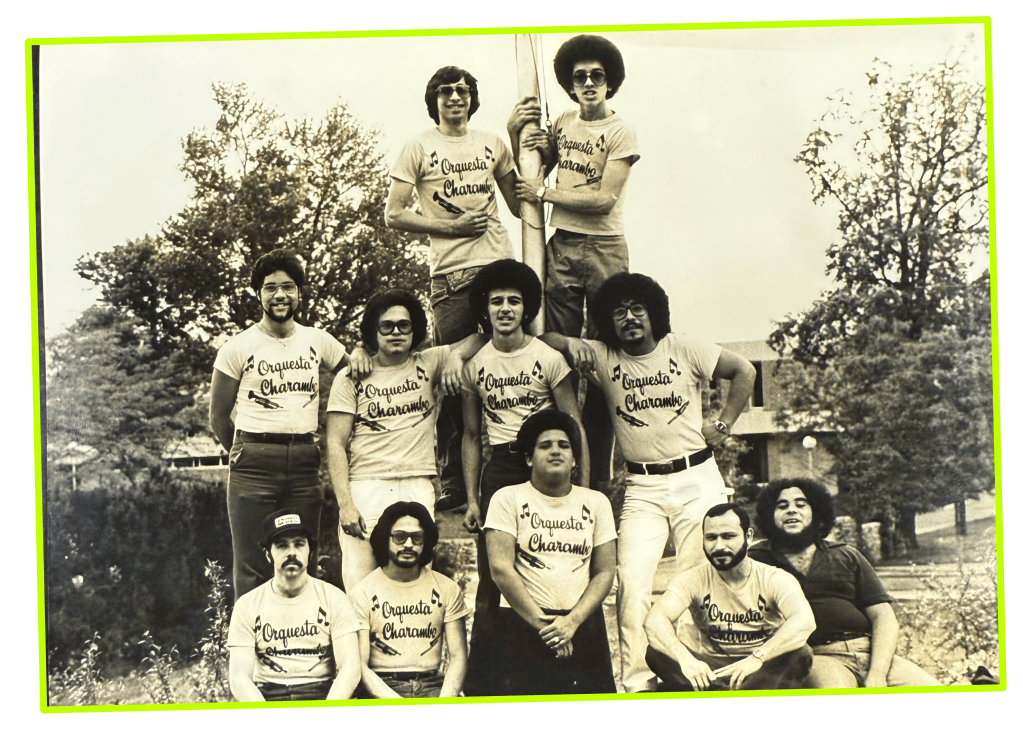
From Trío Puerto Rico, Sammy’s musical path widened. After high school, he joined Cobra, a Latin rock band that blended heavy rock beats with Latin percussion and also performed Santana’s music. He later joined Orquesta Charambó, whose name evokes charanga and mambo. Once he moved to Cleveland, at age 21, he played in a local popular merengue band called Orquesta Marquis, directed by Nelson Orta. In Marquis, Sammy had to learn to play the güira, adding yet another instrument and musical tradition to his growing repertoire.